400 Water S #105
Excelsior, MN 55331

Understanding Glaucoma: The “Silent Thief of Sight”
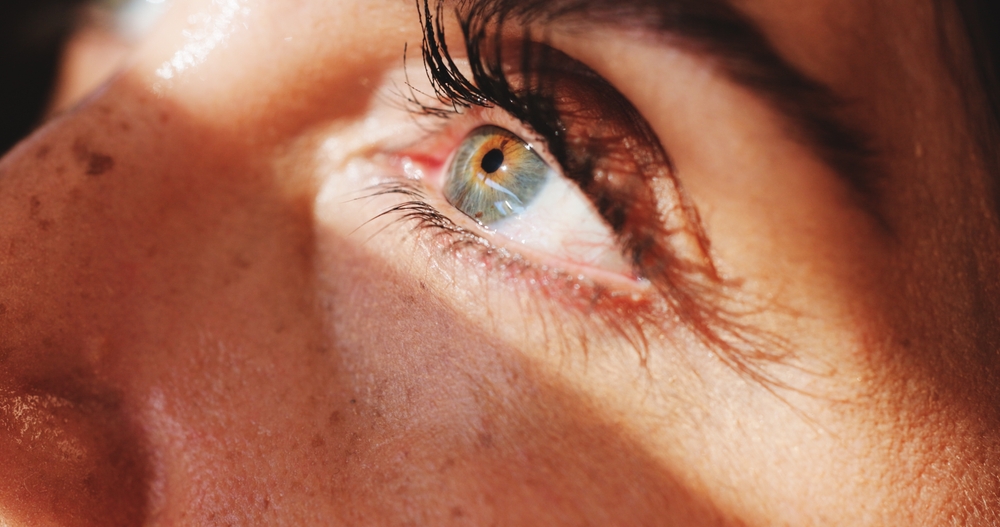
Understanding Glaucoma: The “Silent Thief of Sight
Glaucoma is a leading cause of irreversible vision loss and is often called the “silent thief of sight” because it develops slowly without noticeable symptoms. By the time vision changes occur, permanent damage may have already happened.
What Is Glaucoma?
Glaucoma is a group of eye conditions that damage the optic nerve, usually due to increased pressure inside the eye (intraocular pressure). This pressure builds when fluid in the eye doesn’t drain properly.
Because optic nerve damage cannot be reversed, early detection is key.
Common Types
Open-angle glaucoma: The most common type, developing gradually with loss of peripheral vision
Angle-closure glaucoma: A rare but serious emergency with sudden symptoms like eye pain, halos, and nausea
Normal-tension glaucoma: Damage occurs even with normal eye pressure
Secondary glaucoma: Caused by injury, medications, or other eye conditions
Who Is at Risk?
You may be at higher risk if you:
Are over age 40
Have a family history of glaucoma
Have high eye pressure or thin corneas
Have diabetes or high blood pressure
Use steroids long-term
Symptoms
Early glaucoma often has no symptoms. As it progresses, you may notice:
Loss of side vision
Blurred vision
Halos around lights
Eye pain or headaches (in some cases)
Detection & Treatment
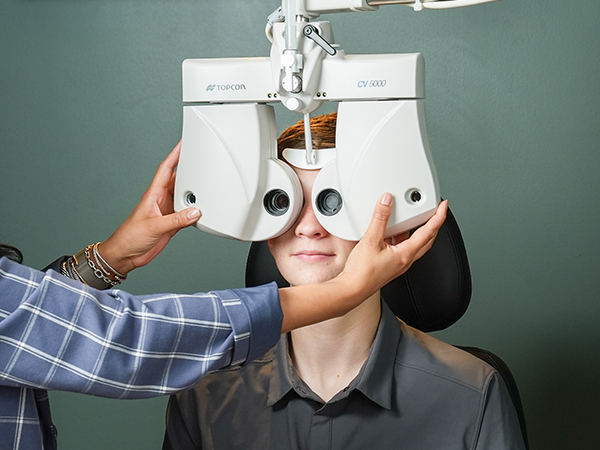
Glaucoma is detected through routine eye exams using tests like eye pressure measurement, optic nerve evaluation, and visual field testing.
While it can’t be cured, treatment, such as eye drops, laser therapy, or surgery can help prevent further vision loss.
Protect Your Vision
Glaucoma doesn’t wait and neither should you. The best way to protect your vision is with regular, comprehensive eye exams.
At Visionary Eye Care, we use advanced technology to detect glaucoma early, often before symptoms begin and create personalized treatment plans to help preserve your sight.
If it’s been more than a year since your last eye exam, or if you have risk factors for glaucoma, now is the time to take action.
All Eye
Care Services
Keep
In Touch

© 2026 Visionary Eye Care. All rights Reserved - Accessibility Statement - Privacy Policy - SMS Terms and Conditions - Sitemap
Managed and Designed by: