400 Water S #105
Excelsior, MN 55331

Do I Really Need an Eye Exam If My Vision Hasn't Changed?
Do I Really Need an Eye Exam If My Vision Hasn't Changed?
If your vision seems the same, it can be easy to put off your next eye exam. You may still read clearly, drive comfortably, and go through your day without noticing any major changes. However, clear vision does not always mean your eyes are healthy. Many subtle vision changes can go unnoticed, and some eye conditions develop gradually before symptoms become obvious. For patients in Excelsior, routine eye exams are an important part of protecting long-term vision and overall eye health.
Clear Vision Does Not Always Mean Healthy Eyes
Many people think an eye exam is only needed when their glasses prescription changes or their contact lenses stop feeling right. While prescription updates are part of the process, a comprehensive eye exam looks at much more than how clearly you see.
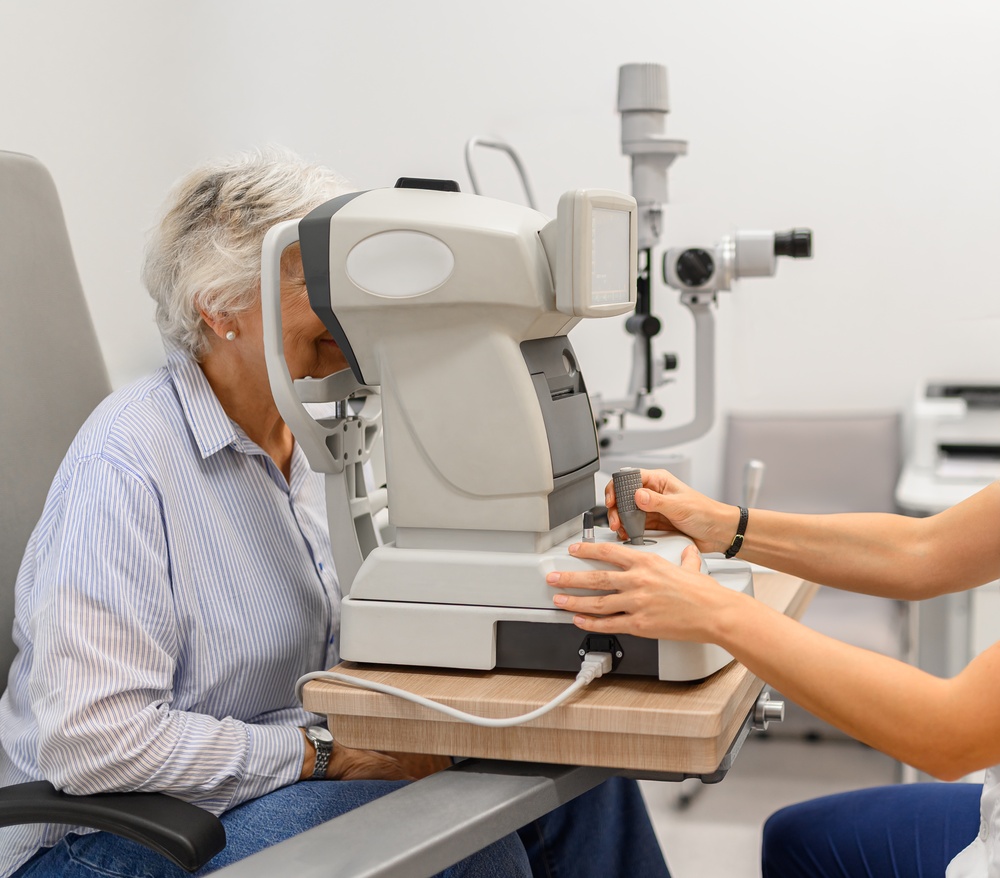
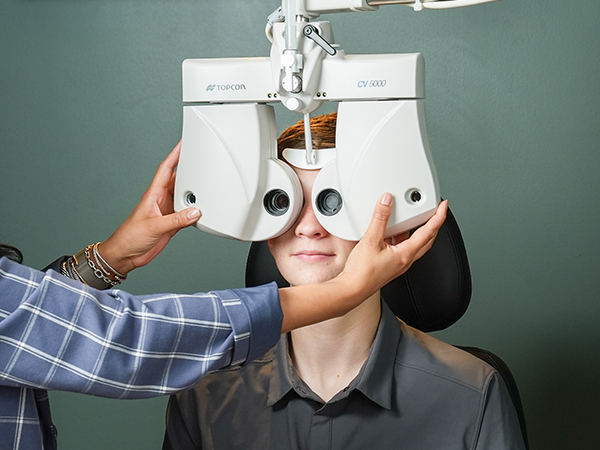
During an eye exam, our optometrist evaluates the health of your eyes, how well they work together, and whether there are early signs of eye conditions that could affect your vision over time. Some concerns may not cause pain, blurry vision, or noticeable symptoms in the beginning.
Subtle Vision Changes Can Be Easy To Miss
Small changes in vision often happen slowly. Because your brain and eyes adapt, you may not realize that your vision is not as sharp, comfortable, or efficient as it used to be. You might start holding reading material farther away, feeling more tired after screen time, or needing more light without thinking much of it.
An eye exam can help identify changes related to:
• Nearsightedness, farsightedness, or astigmatism
• Eye strain from digital device use
• Changes in focusing ability
• Dry eye symptoms
• Early signs of eye disease
• Binocular vision or eye coordination concerns
Finding these issues early can make it easier to manage symptoms, update your prescription if needed, and support healthier vision.
Eye Conditions Can Develop Without Obvious Symptoms
Some eye conditions can progress quietly. Glaucoma, diabetic eye changes, macular degeneration, cataracts, and retinal concerns may not cause noticeable vision changes right away. By the time symptoms become more obvious, the condition may already be more advanced.
Routine eye exams allow your eye doctor to monitor changes over time and recommend next steps when something needs attention. This is especially important if you have diabetes, a family history of eye disease, high blood pressure, frequent headaches, or a history of vision problems.
How Often Should You Schedule An Eye Exam?
The right schedule depends on your age, health, vision needs, and risk factors. Many adults benefit from annual eye exams even when their vision feels stable. Children, contact lens wearers, patients with medical conditions, and those with a family history of eye disease may need more frequent care. At Visionary Eye Care in Excelsior, we take time to understand your symptoms, lifestyle, and eye health history so your exam is personalized to your needs.
Preventive Eye Care Supports Long-Term Vision
Waiting until your vision changes can mean missing the early signs of a problem. A routine eye exam gives you a clearer picture of your eye health and helps your optometrist catch concerns before they begin interfering with daily life. Even if your vision has not changed, scheduling an eye exam is a simple way to stay proactive about your sight, comfort, and long-term eye health.
Schedule a comprehensive eye exam with Visionary Eye Care to protect your vision and eye health. Contact our office in Excelsior, MN by calling (952) 214-1664 to book an appointment today.
All Eye
Care Services
Keep
In Touch
© 2026 Visionary Eye Care. All rights Reserved - Accessibility Statement - Privacy Policy - SMS Terms and Conditions - Sitemap
Managed and Designed by: